
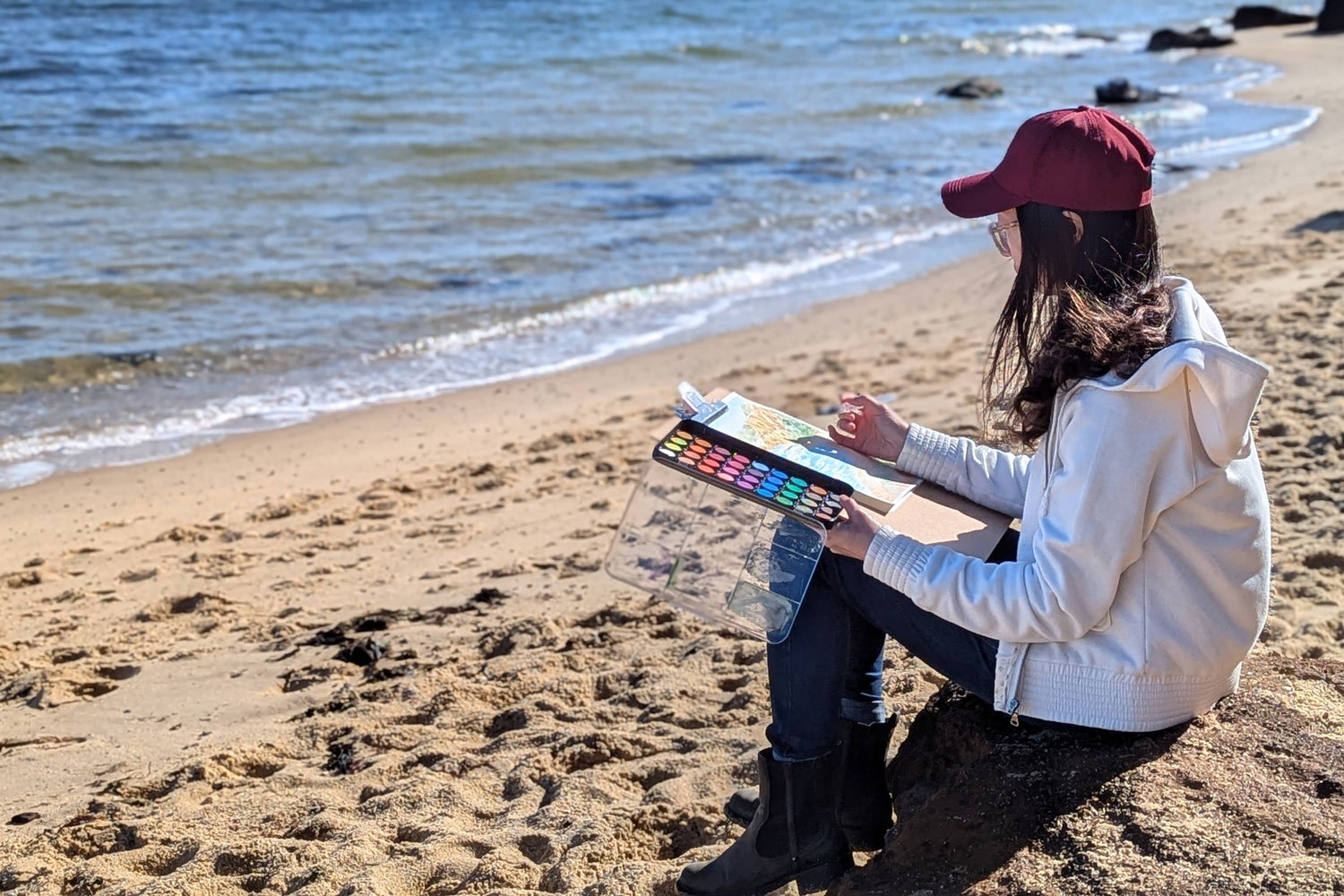
There's a distinction that matters deeply, and very few people know it. Art therapy and therapeutic art are not the same thing. One is a regulated clinical profession. The other is a wellbeing practice that anyone can do. Blurring that line creates problems: people in crisis mistaking a community art group for clinical support, and art supplies companies accidentally claiming therapeutic powers they're not qualified to claim.
This post is about clear thinking on both sides. It explains what art therapy actually is, who delivers it, when you need it. It shows what therapeutic art offers and who benefits. And it positions Micador clearly: we make art materials used by both. But the distinction matters because people in different situations need different things.
The Core Distinction
Art therapy is a regulated mental health profession. To be an art therapist in Australia, you complete a Master's degree (two to three years), undertake at least 750 hours of supervised clinical placement, and register with ANZACATA (the Australian, New Zealand and Asian Creative Arts Therapies Association). Registration is held to standards. Practitioners can be deregistered for malpractice. There's accountability.
Art therapy is delivered within a therapeutic relationship, guided by a trained clinician, to address psychological, emotional, developmental, or trauma-based difficulties. It's clinical. It treats mental health conditions. It has documented outcomes for specific issues like PTSD, depression, grief, and developmental delay.
Therapeutic art is using creative processes for wellbeing, self-expression, and stress relief. There's no credential required. A retired teacher leading a community painting group is practising therapeutic art. A parent doing finger painting with their child is practising therapeutic art. A mental health service incorporating art into a drop-in program is practising therapeutic art. So is a colouring book, technically.
Therapeutic art has documented benefits for stress reduction, confidence building, emotional expression, and community connection. But it's not treatment. It's support. It's wellbeing. It's something everyone can benefit from.
The question isn't which is better. They're different tools for different needs. The question is: which do I need right now?
Why This Distinction Matters
Harm prevention. If you're experiencing trauma, grief, or active mental illness, a community art group is wonderful for overall wellbeing. But it's not treatment. A person with untreated PTSD needs clinical intervention alongside any community support. If someone tells you "art group is enough" for serious trauma, that's insufficient advice.
Professional boundaries. Art supplies companies shouldn't claim therapeutic power. We can say "people find art-making calming" (true, documented) without implying "our markers will manage your anxiety." That overstep creates liability and misleads people. Our materials are used in both clinical and community contexts, but we're not clinicians.
Access and cost. Art therapy through NDIS or private mental health services costs money and requires clinical referral. Therapeutic art through community programs is often free or low-cost. If someone asks which path to take, the answer depends on their specific need and access. Both matter.
Realistic expectations. A person attending a weekly community art class shouldn't expect treatment outcomes. They should expect to feel calmer, more connected, more creative. Those are real and valuable benefits. But they're different from clinical outcomes like "reduced PTSD symptoms" that art therapy is designed to achieve.
Art Therapy: The Clinical Evidence
The research base for art therapy has grown substantially. Recent systematic reviews and meta-analyses show consistent outcomes for specific populations.
Trauma and PTSD: A 2025 systematic review of 90 studies found strong evidence for art therapy in treating trauma, PTSD, and acute stress. The mechanism seems to be the non-verbal processing pathway. Trauma lives in the body and implicit memory, not just cognitive processing. Art-making accesses that non-verbal pathway. A person who can't talk about trauma can make marks, paint, create imagery that expresses what words can't reach.
Depression and anxiety: Multiple randomised controlled trials show art therapy reduces symptom severity in depression and anxiety disorders. The effect size is comparable to talking therapy for some presentations. Art therapy works particularly well when the person struggles with verbal processing or feels stuck in anxious thoughts.
Child emotional development: For children who've experienced neglect, abuse, or significant disruption, art therapy provides a way to process experience non-verbally. Children who can't articulate feelings can express them through imagery. The therapist then helps the child understand what they've created. That integration is the therapeutic work.
Grief: Judith Herman's three-stage model of trauma recovery—establishing safety, remembering and mourning, reconnecting—can be supported at each stage with art. Early stage: creating safe mark-making. Middle stage: expressing loss through imagery. Late stage: reconnecting through creating meaning. Art therapy provides structure and containment for this process.
Neurodevelopmental conditions: For ADHD, autism, and sensory processing difficulties, art therapy addresses two things: the underlying neurological difference, and the emotional experience of managing it. A child with ADHD might use fast, large-motor art to channel hyperactivity safely, while learning emotional regulation. A child with autism might explore sensory preferences and boundaries through art in a non-judgmental space.
Domestic violence recovery: For survivors, art therapy provides choice and control in a space that's often been violated. The act of making something, making choices about colour and form, can be powerfully affirming. It's part of rebuilding agency.
The standard outcome measures are: symptom reduction (depression scores, anxiety measures), functional improvement (sleep, relationships, daily tasks), and integration (meaning-making, resilience).
Therapeutic Art: Community Wellbeing
The evidence base for therapeutic art is equally solid but measured differently. The outcome isn't symptom reduction. It's wellbeing, connection, creativity, and stress relief.
Stress reduction: Cortisol (the stress hormone) measurably decreases during and after creative activities. A person who spends 45 minutes colouring shows lower cortisol than a control group. That's not placebo. That's measurable physiology. The amygdala (the brain's threat-detection centre) becomes quieter during creative, focused activity.
Emotional expression and processing: Not everyone needs a therapist to express emotion. Some people process feelings perfectly well through creative activity. A parent painting during naptime, a person sketching to work through a decision, someone colouring to unwind after work. These are legitimate forms of emotional processing without clinical intervention.
Social connection: Community art groups build relationships. Shared creative time, seeing others' work, contributing to a group project. Isolation and loneliness are serious health risks. Community art addresses that directly.
Confidence and self-esteem: Making something, completing a project, seeing your work displayed, trying something new—all of these build confidence and self-efficacy. This matters across the lifespan, from early childhood to aged care.
Skill acquisition: Learning to use new materials, developing artistic capability, discovering you can make something beautiful. Skill matters for identity and capability.
Flow states: When you're engaged in absorbing creative work, time disappears. Your brain quiets. That state of flow, whether it's 10 minutes or an hour, is neurologically restorative.
Sensory regulation: Art materials provide specific sensory input. Tactile (textured materials), proprioceptive (pressing hard on paper), vestibular (large-motor movements). For people with sensory needs, art offers accessible sensory regulation.
All of these are documented benefits. None of them require clinical intervention to be real and valuable.

The NDIS in Australia
NDIS (National Disability Insurance Scheme) funds art therapy but not therapeutic art, and the distinction is critical here.
Art therapy is funded under Capacity Building, which includes therapeutic supports. The rate is currently $67.56 per hour for one-to-one sessions (2025 rates). The art therapist must be ANZACATA-registered. The service is delivered to support specific NDIS goals—communication, emotional regulation, reducing challenging behaviour, developing skills.
Documentation matters. The art therapist files session notes describing objectives, activities, and progress toward goals. This links to the participant's NDIS plan. Without this clinical structure, NDIS won't fund it.
Therapeutic art activities in NDIS (attending a community art group, painting at a day program) are funded as part of day activities or support work, not as specific therapeutic intervention. A support worker might facilitate art activities. That's covered under activity support costs, not clinical rates.
The difference matters financially. A parent with a child with autism might receive NDIS funding for art therapy (clinical, registered practitioner) if communication and emotion regulation are plan goals. But they wouldn't receive higher therapeutic rates for general art activities in a group setting.
Many NDIS participants benefit from both. Clinical art therapy to address specific challenges, plus community or home art activities for ongoing wellbeing.
Finding a Registered Art Therapist
If someone asks you, "I need help finding an art therapist," here's the pathway:
ANZACATA's register. The professional body maintains a register of qualified art therapists across Australia. You can search by location. That registration means the person has completed training and meets professional standards. Not all people calling themselves art therapists are registered. Verify.
Training pathways. In Australia, main pathways are La Trobe University's Master of Arts Therapy and MIECAT (Melbourne Institute of Experiential and Creative Arts Therapy) which offers the Master of Creative Arts Therapy. Both are established, credible programs. If someone claims to be an art therapist but didn't complete a master's degree, they're not qualified. Period.
What to ask: "Are you ANZACATA-registered?" and "Where did you complete your master's degree?" Those two questions verify qualification.
Accessibility: Private art therapists charge between $80 and $150 per session. Not everyone can afford that. Some community mental health services employ art therapists at low or no cost. NDIS funds art therapy if it's in the participant's plan. Schools sometimes employ them. Check what's available in your area.
When to seek it: If someone is struggling with trauma, depression, anxiety, grief, neurodevelopmental differences, or has experienced abuse, art therapy through a registered practitioner is worth considering, especially if talking therapy hasn't been sufficient or if the person struggles with verbal processing.
Therapeutic Art in Community and Aged Care Settings
This is where therapeutic art shines. Aged care residents making art, community art groups in libraries and community centres, school art programs, family art time at home. These are all therapeutic art contexts.
Aged care: Research shows art activities in aged care reduce depression, improve social engagement, and maintain cognitive function. The art is process-focused. The outcome is wellbeing, not product.
Community art programs: Free or low-cost art groups reduce isolation and build community. A person attending weekly painting group isn't receiving treatment but is actively managing their mental health and social needs.
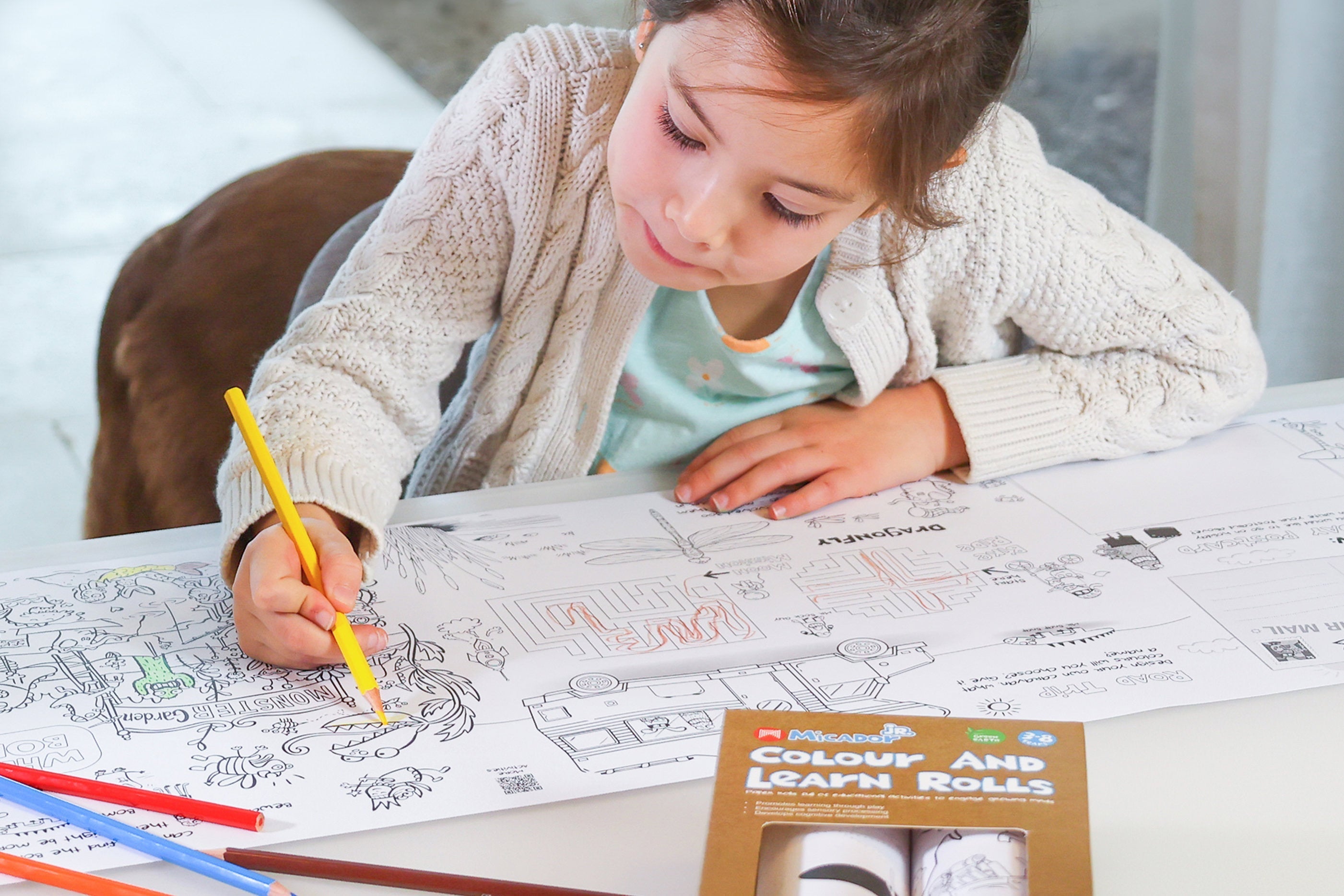
Schools and education: Art in schools isn't treatment, but it's therapeutic. Stress reduction, skill building, self-expression, social connection. Evidence shows students who engage in art have better mental health outcomes than those who don't, separate from any clinical intervention.
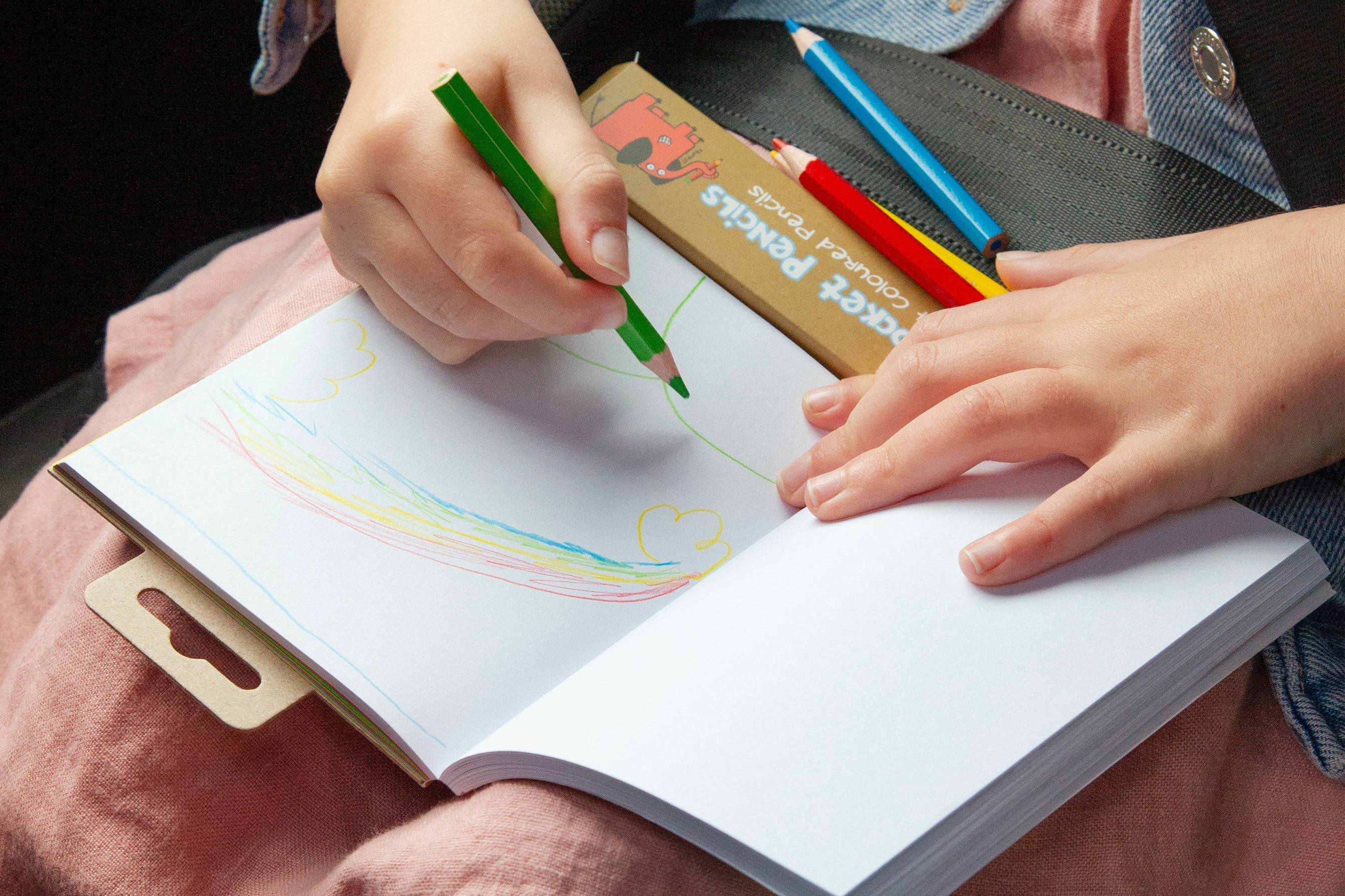
Home and family: Parents and children creating together. Grandparents teaching grandchildren. Art at home is accessible, low-pressure, and genuinely supportive of wellbeing. It's not therapy, and it doesn't need to be.
Micador's Position
We make art materials. Some of those materials are used in art therapy sessions with ANZACATA-registered practitioners. Many more are used by people managing their wellbeing through community art groups, school art programs, aged care activities, and home creativity.
Both uses are important. Both deserve support. And the distinction between them is clear: one is clinical, requires registration and accountability. The other is accessible to everyone and powerfully supportive of wellbeing.
Our Timeless range is specifically designed for the hands that often need it most—older adults with reduced grip strength, people with arthritis or motor challenges, anyone who benefits from comfort and control. That design serves both populations: people working with a registered art therapist and people creating art for personal wellbeing.
We make materials. We don't make diagnoses. We don't claim to treat conditions. But we support the work of clinicians and the self-care of communities. That's the distinction we honour.
Red Flags and When to Seek Help
If someone is experiencing any of these, art activities are supportive but not sufficient. Clinical help is needed:
Active suicidal ideation. Thoughts of harming yourself. Crisis line: 13 11 14 (Lifeline Australia).
Severe depression or anxiety. Interfering with daily functioning. Sleep, eating, work, relationships all affected.
Acute trauma response. Recently experienced significant trauma and unable to function.
Substance dependency. Using substances to manage difficult feelings.
Psychosis or severe dissociation. Losing touch with reality or feeling completely disconnected from body and emotion.
Art is wonderful. But these situations require clinical intervention. Art can be part of that support, but it's not the primary treatment.
Building Confidence in Saying "I Don't Know"
Here's what's actually professional: if someone asks you "Is art therapy right for me?" and you're not qualified to answer, say so.
"I'm not a clinician, so I can't assess whether you need clinical support. I can say that art is great for wellbeing. But if you're struggling with depression or trauma, talking to your GP about referral to a therapist—possibly including art therapy—would be worth it."
That's honest, helpful, and appropriate. You're not withholding support. You're directing to proper support.
The Bottom Line
Art therapy is clinical. It requires registration, accountability, and evidence. It treats mental health conditions.
Therapeutic art is for wellbeing. It's accessible. It's powerful. It's something everyone can do.
Both matter. Both have documented benefits. The distinction protects people seeking help and professionals delivering support. It's also the distinction that allows Micador to honestly say: our materials are used in both contexts because quality art materials serve both.
Know the difference. It changes everything about how you think about art in your life, your community, and your profession.
Ask Klumpf about therapeutic art practice, the difference from art therapy, or what's appropriate in aged care. Micador's in-house art expert. Bottom-right of every page.
Next in this series: "Therapeutic Art in Aged Care: Building Wellbeing Through Creativity"
© 2026 Micador Group. All rights reserved. This article is original editorial content produced by Micador. You're welcome to link to it or quote short passages with attribution. Reproducing the article in full, or republishing it on another platform, requires written permission — amazing@micador.com.au.

Leave a comment
All comments are moderated before being published.
This site is protected by hCaptcha and the hCaptcha Privacy Policy and Terms of Service apply.