
You Don't Need to Be an Artist
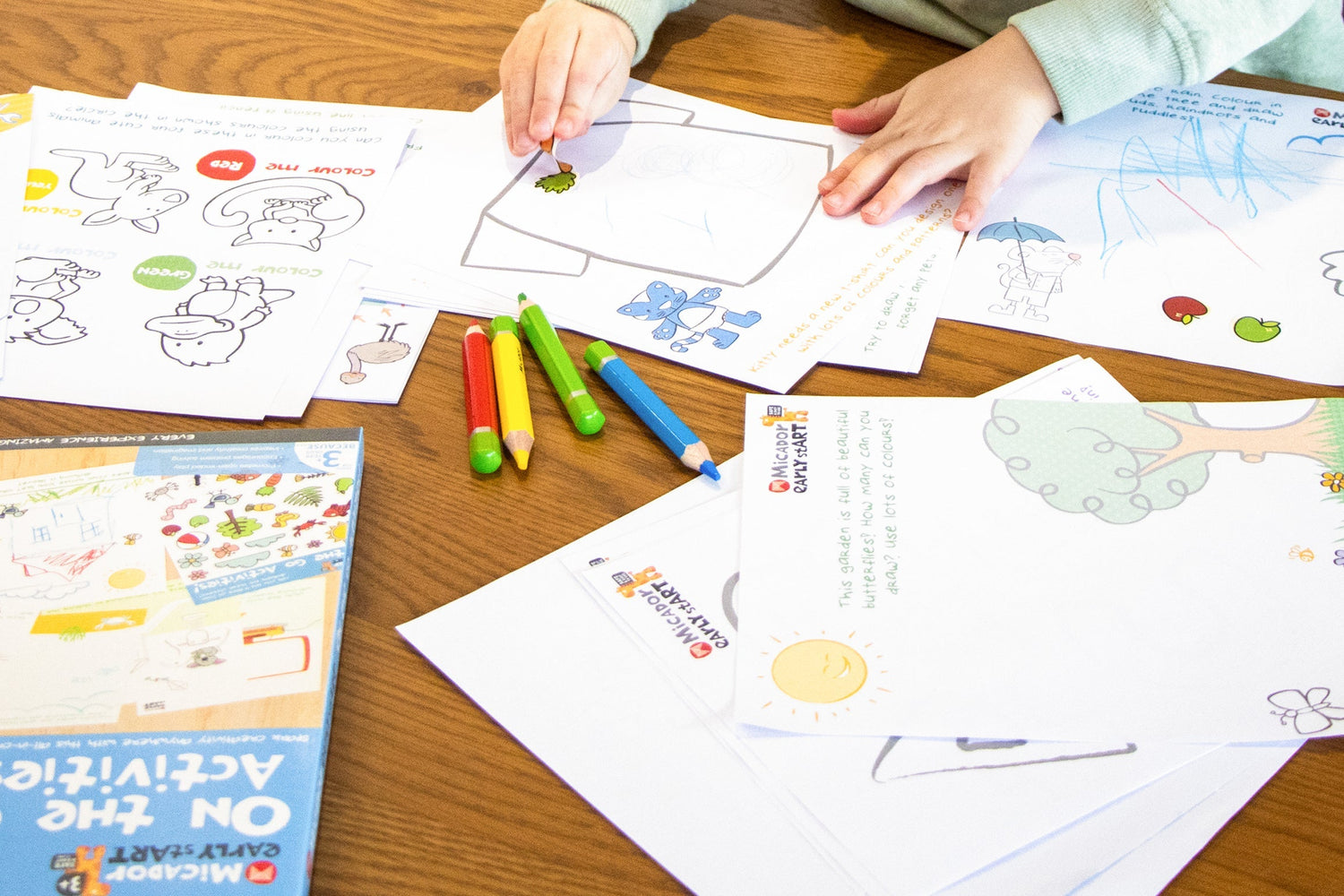
Let's start with the thing that stops most grandparents: the assumption that you need to be good at drawing. You don't. Not even a little bit. The best art experiences between you and your grandchild have nothing to do with whether you can sketch a recognisable face and everything to do with whether you're both willing to make a mess and have a laugh about it.
Your grandchild is learning from you showing up, not from you demonstrating technique. When you sit down at the kitchen table and start colouring alongside them, you're teaching something far more valuable than how to hold a pencil. You're showing them that creative expression is worth time, that mistakes are just part of the process, and that spending unhurried time together matters.
The other thing: you've already been an artist. Every time you've organised a garden, arranged flowers, painted a room, sewed something, baked something beautiful, you've been making aesthetic decisions. That's art. Grandparents have creative instincts they don't always recognise.
What You Actually Need (Budget: Under $40)
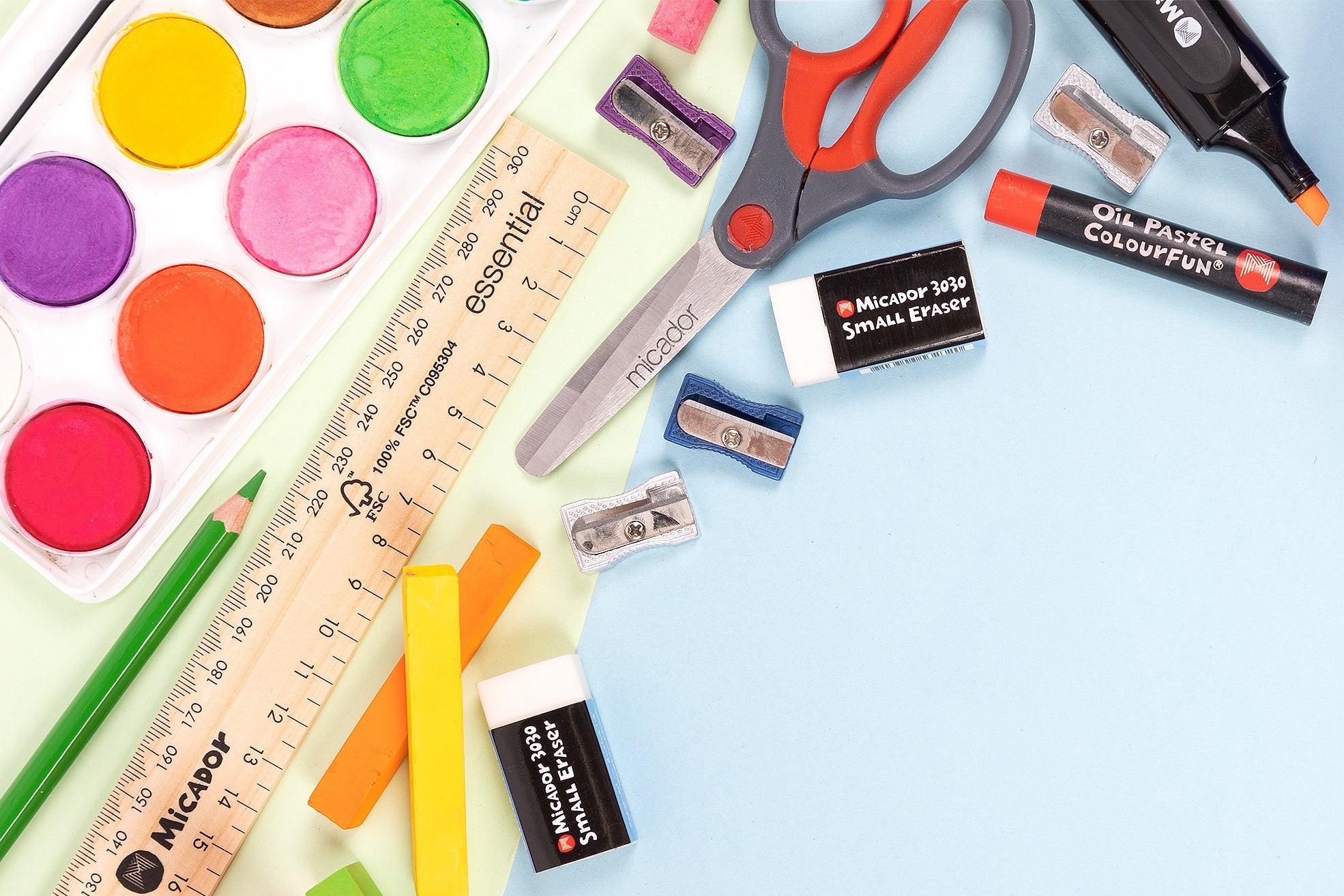
You don't need a dedicated art studio or a trip to a specialist shop. You need newspaper, washable materials, and old clothing.
Here's a realistic setup that works at the kitchen table:
The essentials:
- Pack of chunky crayons or coloured pencils ($8–12)
- Washable markers in basic colours ($6–8)
- A4 or A3 paper pad ($5–7)
- Washable poster paint or finger paint ($8–10)
- Old shirts or aprons as smocks (already at home)
- Newspaper or a roll of butcher's paper (from the kitchen)
- A plastic ice cream container or jar for water (already at home)
That's genuinely all you need to start. Add watercolours or a collage set when you feel the rhythm working, but you'll be amazed at what happens with just the basics.
The key investment principle: buy washable everything. Washable paint, washable markers, washable crayons. Yes, they cost a couple of dollars more per item. That difference is worth every cent when your grandchild is confident they can experiment without causing a disaster that worries you both.
Age-Appropriate Activities (Because What Works at 4 Doesn't Work at 9)
Ages 0–2: Sensory Exploration
At this stage, your grandchild is learning through touch and sight. Art isn't a finished product; it's an experience. Finger painting with washable paint is perfect because it's tactile and forgiving. Sit them down on a plastic sheet with just one colour and let them explore. The joy is in the squish and smear, not the outcome.
Chunky crayons that don't snap under baby grip are your friend here. So is paper that can handle a bit of aggressive scribbling without tearing. Water play on paper (give them a paintbrush and a cup of water to "paint" on paper) develops fine motor control and costs nothing.
Ages 3–5: Creative Confidence
This is when your grandchild's imagination explodes. They're telling stories through mark-making, not trying to create realistic images. A circle with dots becomes a face, a squiggle becomes a snake, and they'll tell you the narrative whether you can see it or not.
Washable markers are brilliant here because they're bold, they dry fast enough to not feel like waiting forever, and the colours are satisfying. Collage is underrated for this age: tear coloured paper, glue stick, paste it onto a larger sheet. Your grandchild is making decisions about colour, arrangement, and what goes where. That's art.
Playdough plus art works too. Roll it, press it, add crayons to decorate it, build a whole world. The transition between 3D and 2D keeps their hands and mind engaged.

Ages 6–8: Skill Building
Your grandchild is becoming more self-aware about what they're making. They might say, "I can't draw a proper house," or get frustrated when a face doesn't look right. This is the moment to gently shift the focus: you're exploring techniques, not demanding perfection.
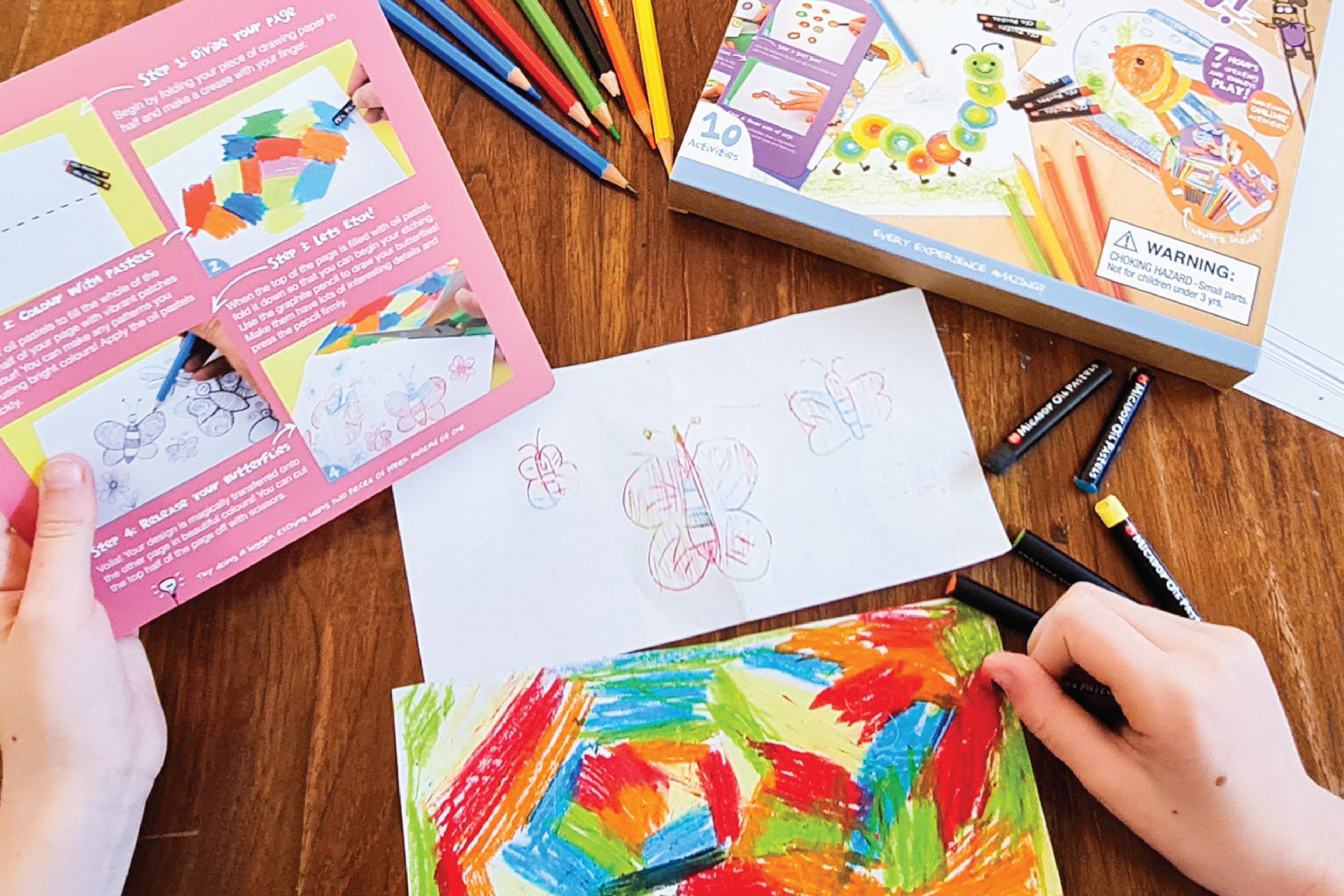
A structured drawing set (Micador has beautiful starter sets that break down how to draw shapes, blend pencils, layer colours) gives them permission to follow steps. Watercolours introduce them to mixing colours and understanding how water affects paint. They start to see that you can build a picture in layers: light to dark, simple to complex.
Simple craft projects work brilliantly here too. A collage with a theme (animals, under the sea, a rainbow garden) gives structure without crushing creativity. They're learning how to plan and execute, not just splash around.
Ages 9–12: Artistic Identity
Your grandchild is developing taste and preference. They might suddenly love drawing cats or building with clay or designing fashion. The worst thing you can do is push them toward what you think is "proper" art. The best thing is to recognise what sparks them and help them get better at it.
Quality matters more now. A set of proper coloured pencils, a decent sketchpad, or a real watercolour set feels like they're being treated as a "real" artist. They notice and respond to that. If they love drawing, suggest ways to observe better (sketch the garden, draw their pet, copy artists they admire). If they're into collage, show them mixed media work. If they're building things, play with sculpture or 3D design.
Books about artists and different styles open up possibilities. Showing them that art takes many forms—not just realistic drawing—permission to find their own voice.
Teenagers: Respect and Materials
Teenagers don't want to be taught. They want autonomy and materials that feel adult. If they're interested in art, get out of the way and provide the good stuff. Quality paints, proper pencils, good paper, interesting materials. Show up alongside them, not in front of them. Ask what they're making, listen to the answer, and mean it.
If they're not interested in art, don't push it. A grandchild who's reluctant produces resentment, not creativity. The gift is in the invitation, not the insistence.
The Real Benefit: What's Happening When You're Both Lost in Creation
When you and your grandchild are making art together, you're both activating the same parts of your brain that stress management uses. Repetitive mark-making—colouring, drawing, painting—calms your nervous system. It pulls you out of the thinking brain and into the doing brain. That's why it feels meditative.
For your grandchild, you're modeling an adult who prioritises creative play. They're learning that creation isn't a test (there's no grade, no judgment, no "correct" way). They're also getting unhurried time with someone who's fully present. In a world of split attention and screens, that's rare and precious.
For you, it's a reminder that you can make something just because you want to. You don't have to be productive. You don't have to perform. You just sit down and create alongside someone you love, and that's enough.
Setup That Actually Works (Practical Cleanup Strategies)
The mess anxiety stops a lot of grandparents before they start. Here's how to manage it so you can relax:
Before you start: Spread newspaper or a plastic tablecloth over your table. Old shirts as smocks. Have wet wipes or a damp cloth ready. If you're using paint, do it on a tray or palette, not straight from the container. It limits spills and gives kids more control.
During: Accept that washable paint will end up in places you didn't plan for. It's fine. It happens. Keep moving. The moment you show stress about a smear, your grandchild worries they've done something wrong.
After: Warm soapy water and a sponge cleans most things. Washable marker comes off skin with a bit of soap. Washable paint on fabric washes out in the next load. You've chosen the right materials if cleanup isn't a battle. If cleanup is a battle, you've chosen the wrong materials.
Pro tip: Keep your expectations realistic about mess. You're teaching your grandchild that creation is worth a bit of paint on the floor. That's a bigger life lesson than a pristine kitchen table.
Building a Creative Legacy
The art your grandchild makes isn't precious because it's skillful. It's precious because your grandchild made it, and you were there.
Keep the artworks. Put them on the fridge. Stack them in a box. Photo them and send them to the parents. Next time your grandchild visits, they see that you valued what they made. They made something worth keeping.
Years later, these simple drawings and paintings become evidence of moments that mattered. Your grandchild will remember the unhurried afternoon, the kitchen table, the paint-stained apron, and the person who showed up and made space for creativity.
That's not just art. That's connection across generations, captured in marker and paint.
Ask Klumpf about art with grandkids, age-appropriate kits, or what to bring on the next visit. Micador's in-house art expert. Bottom-right of every page.
Next in this series: "Art and Back to School: What Your Child's Teacher Needs You to Know"
© 2026 Micador Group. All rights reserved. This article is original editorial content produced by Micador. You're welcome to link to it or quote short passages with attribution. Reproducing the article in full, or republishing it on another platform, requires written permission — amazing@micador.com.au.

Leave a comment
All comments are moderated before being published.
This site is protected by hCaptcha and the hCaptcha Privacy Policy and Terms of Service apply.