
Three distinct trends are reshaping contemporary art practice globally: the influence of Asian art cultures on what materials artists choose, the shift toward sustainable studio practice, and the emerging recognition of art as essential in aged care and specialist settings. They're interconnected. Understanding them changes not just what you make, but why and how you make it.
Global Influences: How International Art Cultures Shape Your Studio
Korean stationery culture has quietly become influential in how contemporary artists source and value materials. It's worth understanding why, because it's reshaping product availability and artist expectations worldwide.
Korea's stationery philosophy: In Korea, stationery and art supplies aren't commodity items. They're tools worthy of investment and aesthetic consideration. A Korean art student or professional thinks nothing of spending $40 on a single fountain pen, $15 on a brush, or $20 on a sketchbook. The rationale: quality tools improve your work and the act of using them is itself pleasurable.
This philosophy has become visible globally through online communities and supply chains. Korean brands have expanded internationally. Global manufacturers now understand that a subset of serious artists will pay premium prices for demonstrable quality.
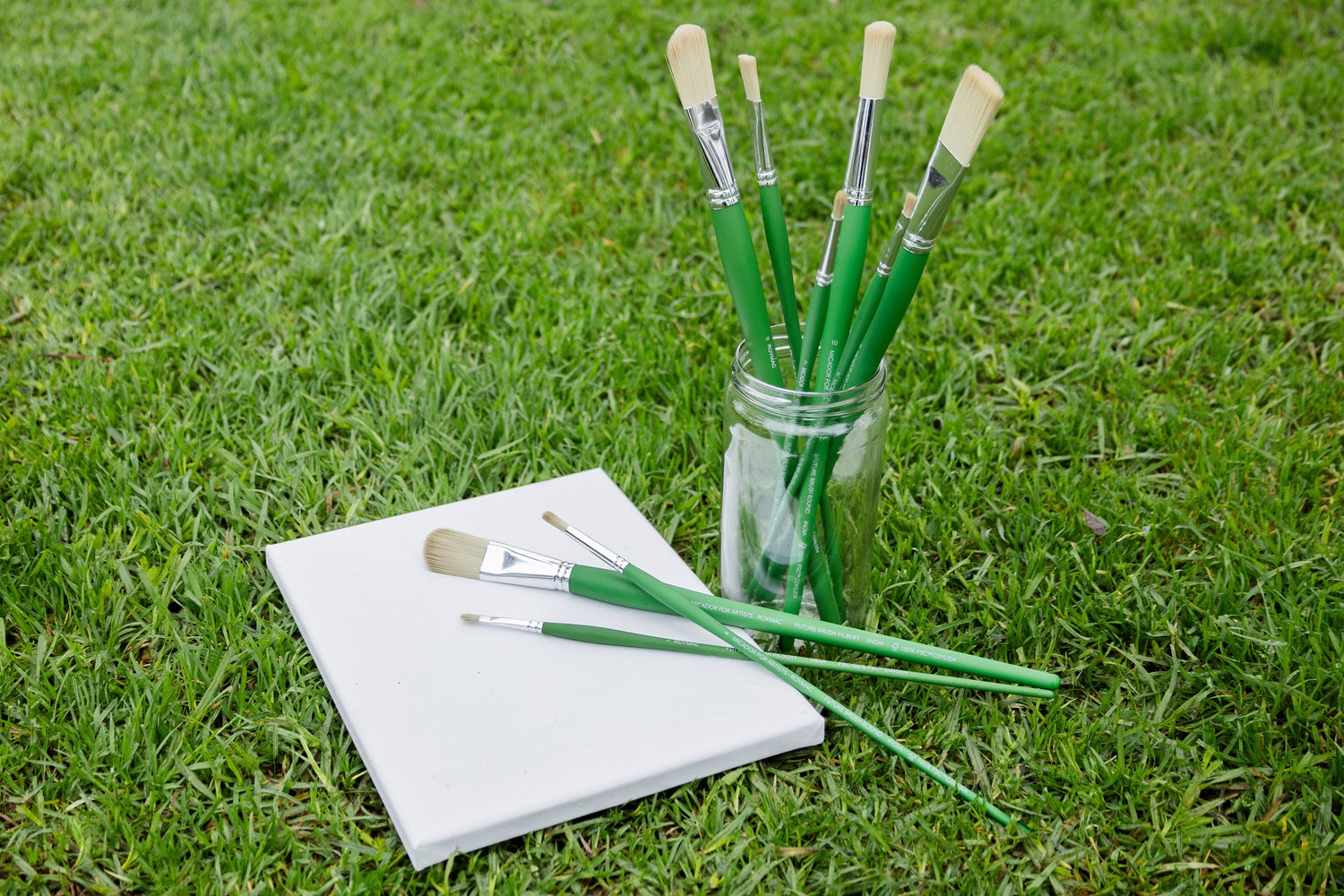
Why this matters to your practice: The availability of quality materials at various price points is partly a result of Korean demand. Micador's Revolution brush filament technology was developed in Japan.
When you buy a quality watercolour tube from a Korean manufacturer, or a brush from a Japanese maker, you're benefiting from supply chains built on the premise that artists will value and pay for genuine quality.
Southeast Asian craft traditions: Equally influential are craft traditions from Vietnam, Thailand, Malaysia, and Indonesia. The contemporary resurgence in natural-fibre work, hand-bound journals, and locally-made tools reflects recognition of craft traditions that never disappeared, just weren't visible in Western markets.
Vietnamese manufacturers now produce acrylic markers for global brands. Thai makers produce quality clay. Malaysian suppliers manufacture brush handles and bristles. These aren't cheap alternatives to Western manufacturers. They're specialists who've been perfecting their craft for decades.
What's trending: Artists actively seeking tools and materials that come from makers with documented craft traditions. A hand-bound journal from a Vietnamese bookbinder or watercolour tubes from a Korean manufacturer isn't a novelty. It's a deliberate choice to support makers whose mastery is documented and visible.
How this reshapes your sourcing: If you've been defaulting to Western brands out of assumed superiority, the global art supply landscape has shifted. Quality is available from multiple sources. Regional specialisation (Japanese brushes, Korean papers, Vietnamese clay, Malaysian markers) often means genuine mastery, not just scale.
Sustainable Art Practice: Building a Studio That Reflects Your Values
Sustainability in art isn't a marketing claim. It's a practical shift in how serious artists approach materials, waste, and longevity.
Three dimensions of sustainable practice:
Material choice: Art supplies aren't neutral. Water-based paints are lower environmental impact than solvent-based because they don't require hazardous waste disposal and don't off-gas toxic fumes. Acrylic and watercolour have smaller environmental footprints than oils. PCR (post-consumer recycled) plastics in markers, pencils, and brush handles reduce virgin plastic demand. Not every choice involves sacrifice. Many sustainable options perform equivalently or better.
The practical reality: Switching to water-based acrylics doesn't limit what you can paint. Watercolour doesn't require dangerous solvents. Recycled plastic in pencils is indistinguishable from virgin plastic in quality. These choices have no technical downside.
Tool longevity: The most sustainable tool is one that lasts. A brush that remains usable for five years outperforms three cheaper brushes that fail after one year. Sumi-e brushes (natural hair, quality construction) last decades with proper care. Fountain pens made to last generations replace disposable ballpoints. Investment in quality tools reduces total consumption and waste.
This is why the shift toward Korean stationery culture and Asian tool quality is environmentally significant. Makers focused on longevity reduce throwaway consumption.
Studio waste reduction: Most studio waste comes from trial, error, and abandoned work. Practical waste reduction: use scrap paper for studies. Consolidate leftover paints into neutral mixes. Donate failed paintings to community centres or schools rather than discarding. Save water from brush cleaning (allow sediment to settle, reuse clean water). These aren't sacrifices. They're just attention.
What's trending: Artists building "low-waste studios" that align making practice with environmental values. Not perfection (perfection isn't possible), but deliberate, documented choices. Switching to water-based media. Investing in tools that last. Reducing packaging. Selecting suppliers with documented environmental practices.
The honest reality: Individual artist choices don't solve systemic environmental problems. But they do shape local supply chains. When enough artists demand sustainable options, manufacturers respond. Choice matters because it signals demand.

Creative Ageing: Art in Aged Care, Specialist Settings, and NDIS Pathways
Australia's Aged Care Act 2024 represents a structural shift: creative engagement is now recognised as essential to quality of life in aged care, not an optional activity.
Why this matters: For decades, art in aged care was treated as craft activity, often relegated to one-off workshops. The 2024 Act recognises creative practice as integral to physical and mental wellbeing. This creates legitimate pathways for artists to facilitate creative practice in aged care settings.
The evidence base: Art and creative practice in aged care reduces depression, improves cognitive function, and enhances social connection. These aren't soft outcomes. They're documented health improvements. Facilitating creative practice in aged care is healthcare.
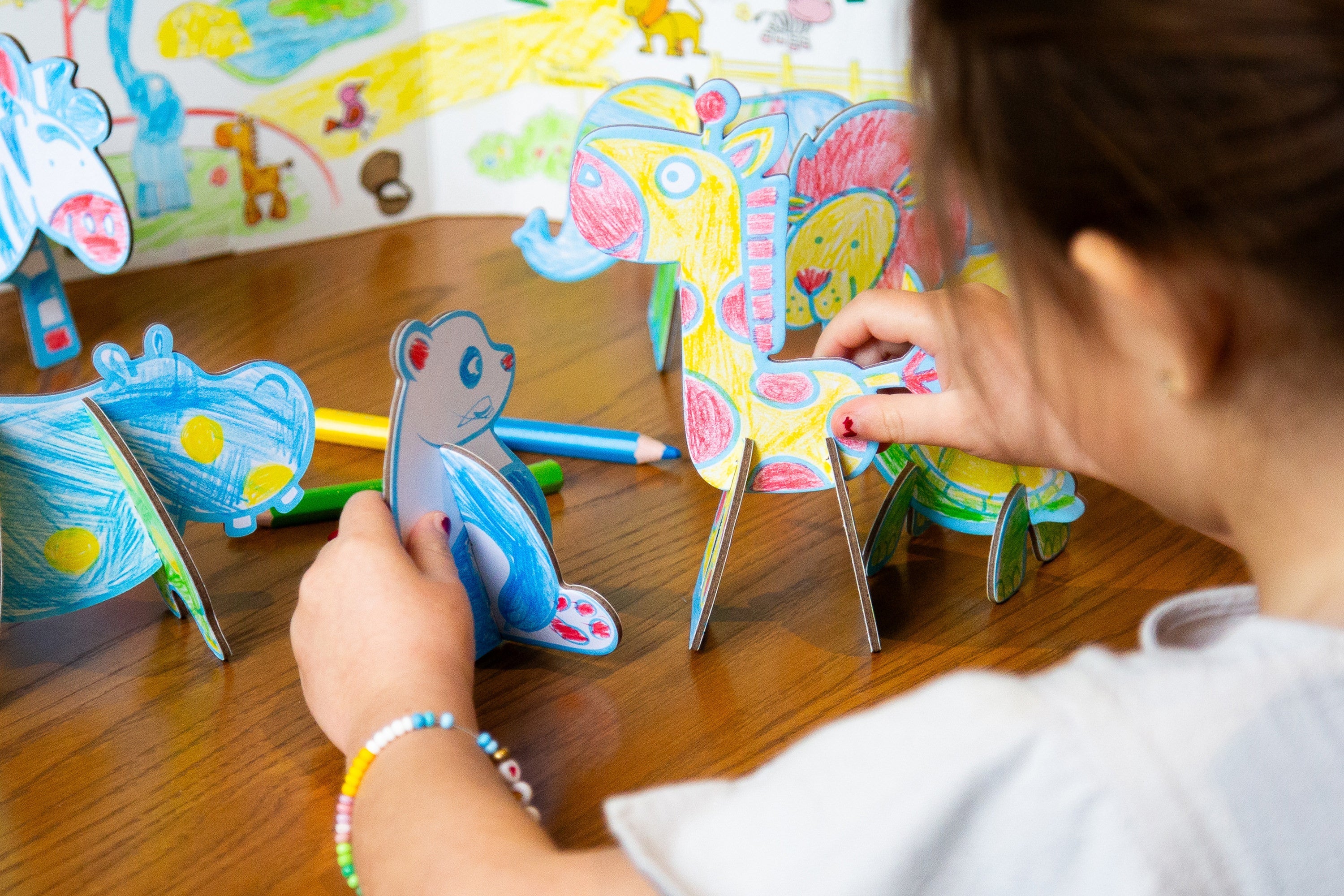
Therapeutic vs. clinical: Understanding this distinction is critical. Therapeutic art practice in aged care isn't art therapy (which requires specific training and credentials). It's structured creative engagement. A facilitator might guide a group through watercolour painting, printmaking, or collage, with attention to individual abilities and preferences. The goal isn't a finished product. It's the experience of creating, the conversation, and the cognitive and social engagement.
Materials for varied abilities:
- Larger brushes and pencils (easier to grip for arthritic hands)
- High-contrast colours (important for reduced vision)
- Water-soluble pastels (no need for solvents or complex techniques)
- Collage and assemblage (lower physical demand than drawing)
- Printmaking (immediate visible results with simple techniques)
- Adapted tools (pencil grips, brush extensions) for limited mobility
The material choice directly influences accessibility. Dark coloured paper with light-coloured markers provides contrast. Large brushes reduce hand fatigue. Water-soluble materials eliminate solvents and hazardous disposal. These aren't limitations. They're intelligent design.
Group session structure that works:
- 45-60 minute sessions (attention span and physical stamina)
- Mixed-ability groups (experienced and beginner participants)
- Structured but unscripted (clear activity, freedom within it)
- Emphasis on process over product (completion isn't the goal)
- Built-in social time (conversation and connection matter as much as making)
NDIS funding pathways: The National Disability Insurance Scheme funds creative practice as a support activity. For artists with relevant training, facilitating art-based activities for NDIS participants is a legitimate income stream. Requirements: documentation of participant goals, evidence-based activity design, and formal accreditation (varies by state).
What's trending: Artists intentionally developing aged care and specialist settings expertise. This isn't charity work. It's professional practice that combines creative knowledge with understanding of accessibility, group facilitation, and health outcomes.
Practical entry points:
- Volunteer coordination through aged care providers (free experience, no credentials required)
- Aged care facilities seeking contract facilitators (usually $30-50/hour)
- NDIS support coordination connecting artists with participants
- Council-funded community art programs in aged care
Why artists are moving into this space: Meaningful work, genuine impact, flexibility around other creative practice, and the realisation that facilitating others' creativity is itself a craft worth developing.
Integration: What This Means for Your Practice
These three trends aren't separate. They're interconnected expressions of the same shift: toward informed, values-driven, sustainable, and community-connected art practice.
An artist working in a sustainable studio, using materials sourced from global makers known for quality, and facilitating creative practice in aged care is embodying all three movements simultaneously. The specificity and care applied to material choice, the knowledge of global supply chains, and the commitment to accessibility and community create a practice that's both commercially viable and ethically grounded.
Practically, this means:
Knowing where your materials come from. What country? What maker? What's their craft legacy or environmental practice? This knowledge shapes purchasing decisions and supports makers aligned with your values.
Designing your studio around longevity and low waste. Invest in tools that last. Use materials that have minimal environmental impact. Reduce consumption by careful planning and reuse.
Considering your practice's relationship to community. Can you facilitate creative work for people who don't access formal art education? Can you bring your skills to aged care, schools, or community settings? This isn't charity. It's professional practice that fills genuine need.
The artists thriving right now are those who understand that sustainability, global awareness, and community engagement aren't separate from their core creative practice. They're expressions of it.
Ask Klumpf about sustainable studio practice, accessibility-led materials, or art in aged care.
Micador's in-house art expert. Bottom-right of every page.
© 2026 Micador Group. All rights reserved. This article is original editorial content produced by Micador. You're welcome to link to it or quote short passages with attribution. Reproducing the article in full, or republishing it on another platform, requires written permission — amazing@micador.com.au.


Leave a comment
All comments are moderated before being published.
This site is protected by hCaptcha and the hCaptcha Privacy Policy and Terms of Service apply.